
IR
Life as a deep cleaner of hoarders' homes
A full interview featuring Mark Healy and Phoenix Extreme, discussing real hoarding clean-ups and sensitive extreme cleaning work across Ireland.
Read the article


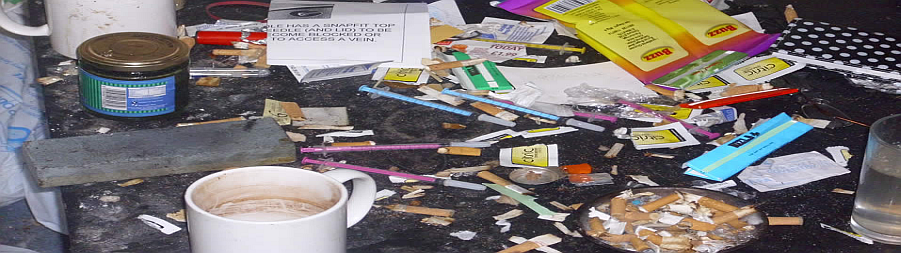
Dublin • Belfast • Donegal • Derry • Nationwide response
Private, controlled cleaning after traumatic incidents in homes, workplaces and other properties. Phoenix deals with blood, body fluids, affected contents, hidden contamination and odour sources so families and property owners do not have to face the physical aftermath alone.

See Phoenix Extreme Cleaning on Virgin Media’s Ireland AM and learn about the real extreme, hoarding and specialist cleaning work we carry out across Ireland.
Verified media coverage of Phoenix Extreme Cleaning and Mark Healy’s specialist work.
A full interview featuring Mark Healy and Phoenix Extreme, discussing real hoarding clean-ups and sensitive extreme cleaning work across Ireland.
Read the articleA feature highlighting the rise in hoarding cases and the demand for specialist extreme cleaning services.
Read the articleIreland AM – Virgin Media
YouTube Interview
National Academy of Crime Scene Cleaners
Professionally Trained
Your property is in safe professional hands
at all times.
This mixed gallery includes genuine photographs retained from the original Phoenix page and new service-specific images. It shows the varied surfaces, protective measures and controlled working conditions that can be involved without presenting families with unnecessary graphic detail.

Blood and body fluids can pass through bedding, mattresses and flooring into concealed layers.

Appropriate PPE and controlled methods help protect workers and prevent contamination leaving the work area.

A traumatic event may affect floors, walls, furniture, possessions and adjoining areas rather than one visible stain.

A surface looking cleaner does not establish that biological contamination has been adequately controlled.

Carpet, underlay and other absorbent materials may require careful removal when meaningful restoration is not possible.

The linked image continues naturally to specialist help following an unattended or undiscovered death.
A trauma scene can remain after an accident, assault, self-harm incident, suicide, crime or other distressing event. Once emergency services and investigating authorities have completed their work and formally released the location, the physical aftermath usually remains the responsibility of the property owner, occupier or authorised representative. Phoenix provides the practical specialist response needed at that point.
Trauma cleaning involves much more than improving the visible appearance. Blood and other body fluids can travel beneath carpet, soak into underlay, penetrate mattresses and furniture, enter joints between floorboards or settle around skirting and fixtures. Items moved during an incident may also transfer contamination into areas that initially appear unaffected.
Mark deals directly with the person responsible for the property, explains what is likely to be involved and agrees how access will be managed. The service is available for private homes, rented accommodation, workplaces, vehicles and other released locations throughout the Republic of Ireland and Northern Ireland.
Relatives, occupants and colleagues should not be expected to clean a scene connected with someone they know. Apart from the possible biological exposure, returning to the affected room and handling personal belongings can add to the emotional impact. A specialist team can deal with the physical conditions while the people involved remain elsewhere.
Access may often be arranged through a trusted relative, landlord, solicitor, estate agent, employer or another authorised contact. Phoenix can provide discreet updates to the nominated person and discuss significant discoveries before extending the agreed work. Personal effects found during the process can be set aside according to the instructions provided.
Every situation is different. Phoenix does not assume that everything must be discarded, and it does not promise that every porous item can be saved. The aim is to make practical, proportionate decisions based on what has been affected and how deeply contamination has travelled.
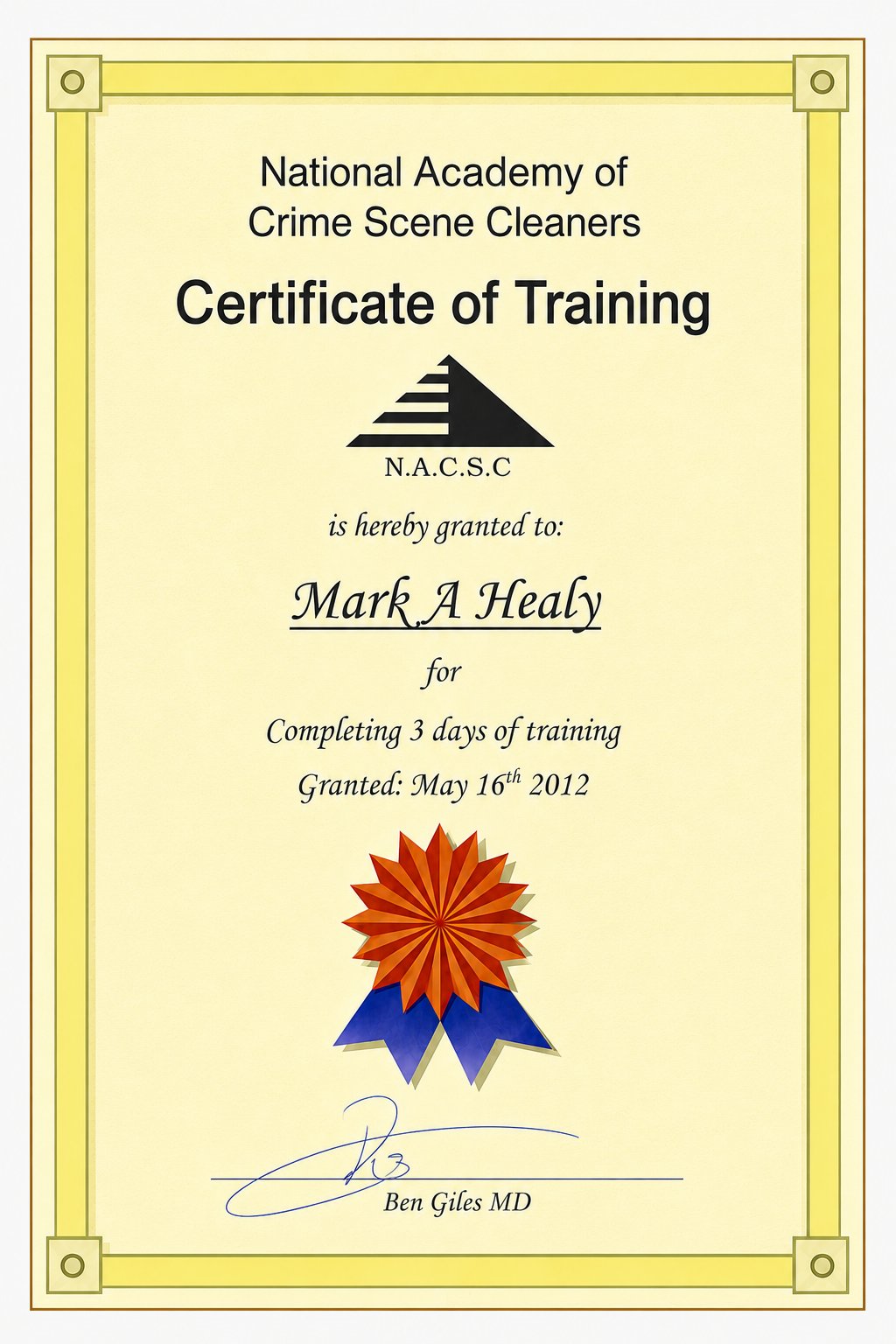
Phoenix has attended and passed specialist training associated with the National Academy of Crime Scene Cleaners.

The infection status of blood and certain body fluids cannot be established by appearance. Planning must therefore consider contact with broken skin or mucous membranes, accidental sharps injuries, contaminated footwear and equipment, and the possibility that affected material has entered hidden areas.
Phoenix establishes a working route, uses suitable protective equipment and separates affected waste from ordinary household rubbish. Only enter or photograph a scene when the responsible authority has released it and it is safe and lawful to do so.
The process begins with a confidential conversation. Mark asks what is known about the incident, whether the scene has been released, which rooms appear affected, how long the contamination may have been present and who is authorised to provide access. Safe photographs or a short video can sometimes help with an initial view, but complicated or extensive scenes may require inspection.
On arrival, the team plans entry and exit so that people, equipment and waste do not pass unnecessarily through clean parts of the property. The visible centre of the scene is assessed together with likely transfer routes, nearby touch points and layered materials. This methodical approach is important because a small mark on top of a carpet may conceal a much larger affected area underneath.
Suitable hard surfaces are cleaned using methods selected for the material and conditions. Absorbent contents are assessed separately. Where contamination has penetrated deeply into underlay, mattresses, chipboard, upholstery or other porous materials, removal may be more reliable than surface treatment. Any removal outside the agreed scope is discussed with the authorised client first.
Work is sequenced so tools and protective equipment used inside the controlled area are not casually carried through the rest of the building. Waste is contained separately, and the team keeps sight of doors, stairs and other routes used during the incident. These practical details matter because a thorough response must address both the obvious scene and the realistic ways contamination could have spread.
As work progresses, previously hidden damage can become visible. Phoenix explains outstanding repair, replacement or decorating needs so the client knows what happens next. The service is intended to turn an overwhelming scene into a controlled and understandable property-recovery task.
Trauma scenes can involve several types of surface with very different behaviour. Sealed tile, metal and sound non-porous finishes may respond to detailed cleaning, while timber joints, plasterboard, carpet, underlay, mattresses and upholstery can retain contamination beneath the visible face.
Time, temperature and movement at the scene can all affect the scope. Phoenix assesses material condition and depth of penetration instead of relying on a stain simply becoming less visible. This provides a more honest basis for deciding what can remain and what should be removed.
Strong odour can indicate that an affected source remains in a porous item, gap or concealed layer. Fragrances and ordinary household sprays may cover a smell temporarily, but they do not resolve contaminated underlay, floor joints, wall cavities or the underside of furniture.
By following the affected route and checking relevant hidden areas, Phoenix can deal with the source rather than repeatedly masking the symptom. Odour treatment supports physical cleaning and removal; it is not a substitute for them.
Phoenix coordinates the practical stages required to move a released trauma scene towards safe repair and reuse.
Direct discussion with Mark about authority, access, affected areas and priorities.
Planned movement helps reduce transfer into rooms outside the scene.
Clear advice about surfaces that may be restored and items that may need removal.
Attention extends beyond the centre of a stain to relevant concealed layers and routes.
Authorised key access can allow families or occupants to remain away during the work.
Remaining repair or replacement requirements are explained after the agreed clean.
Phoenix provides trauma scene cleaning in Dublin, Belfast, Donegal, Derry / Londonderry, Sligo, Letterkenny, Leitrim, Antrim, Ballymena, Lisburn, Newry, Bangor, Omagh and surrounding areas. Wider response is available throughout the Republic of Ireland and Northern Ireland, subject to access, availability and release of the scene.
When a death has remained undiscovered for a period, the property may involve additional decomposition, odour and hidden contamination. In those circumstances, our specialist undiscovered death cleaning service across Ireland explains the next stage of assistance in a natural continuation from trauma cleaning.
Cleaning can begin only after the police, emergency services or other responsible authority has completed its work and formally released the location.
No. Relatives and occupants should avoid disturbing the affected area. Phoenix can assess and manage the physical aftermath once lawful access has been arranged.
Yes. Carpet edges, underlay and the floor beneath can be assessed. Porous layers that have absorbed contamination may require controlled removal rather than surface treatment.
No. Access can often be coordinated through a relative, landlord, solicitor, estate agent or other authorised representative while you remain elsewhere.
Yes, provided the scene has been released and it is safe to enter. Photographs or a short WhatsApp video may help Mark discuss the likely scope and next step.
Yes. Phoenix provides trauma scene cleaning throughout the Republic of Ireland and Northern Ireland, subject to access, availability and scene conditions.
Call Mark for discreet specialist help after a traumatic incident anywhere across Ireland.